
Dental veneers are one of the most popular cosmetic treatments for transforming a smile. They offer natural aesthetics, long-lasting results, and the ability to correct a variety of concerns, from discolouration and wear to small misalignments and shape irregularities.
But one of the most common questions patients ask is: “How long do dental veneers actually last?”
In this article, I explain the typical lifespan of veneers, the factors that influence their durability, and how you can keep them looking beautiful for many years.
How long do dental veneers last?
The lifespan of veneers depends on the material and how well they are cared for. On average:
- Porcelain veneers typically last 10–15 years, and often longer with excellent care.
- Composite veneers last 5–7 years, as the material is more prone to staining and wear.
With modern techniques, high-quality materials, and meticulous planning, veneers can remain stable, functional, and aesthetically pleasing far beyond the average lifespan.
What affects the durability of veneers?
Several factors determine how long veneers will last. Understanding these helps patients protect their investment and maintain a healthy, confident smile.
1. The material used
Porcelain is highly resistant to staining, strong, and able to mimic natural enamel. This is why it lasts significantly longer and maintains its shine over time.
Composite, while more affordable, is more susceptible to discoloration and wear, requiring more frequent maintenance or replacement.
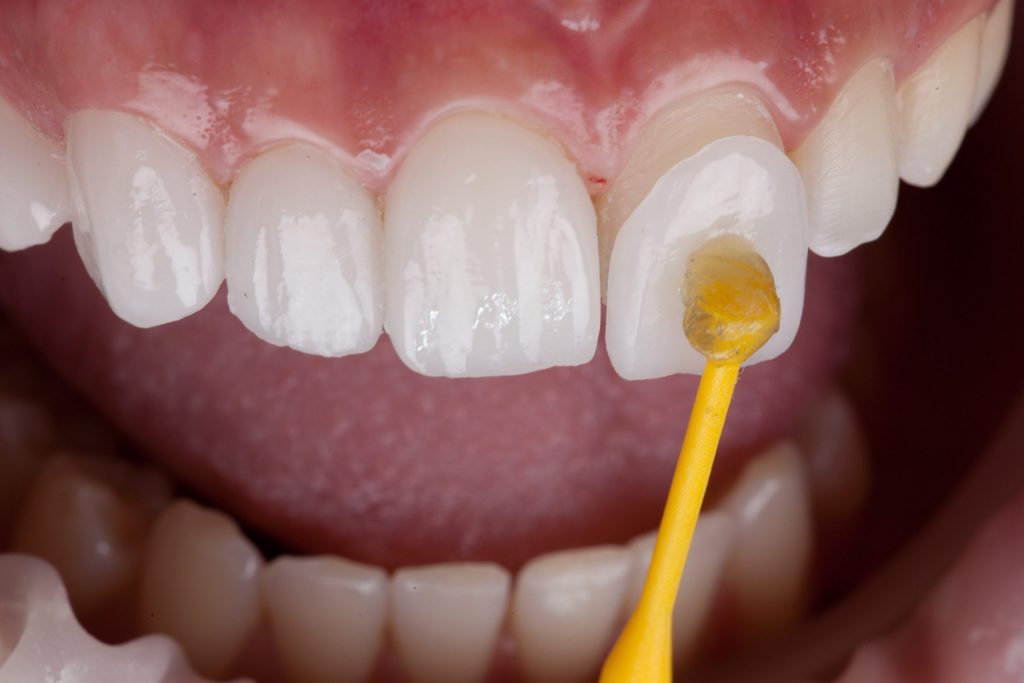
2. The quality of preparation and bonding
The long-term success of veneers depends greatly on the clinical technique:
- Tooth preparation must be minimal and precise.
- Bonding protocols must be followed meticulously.
- Isolation and adhesive procedures must be done under ideal conditions.
As a clinician, I prioritize conservative preparation and advanced bonding techniques to protect natural tooth structure and improve veneer longevity.
3. Your bite (occlusion)
A stable, well-balanced bite is essential. Issues such as bruxism (teeth grinding), clenching, or misaligned bite forces can place excessive pressure on veneers.
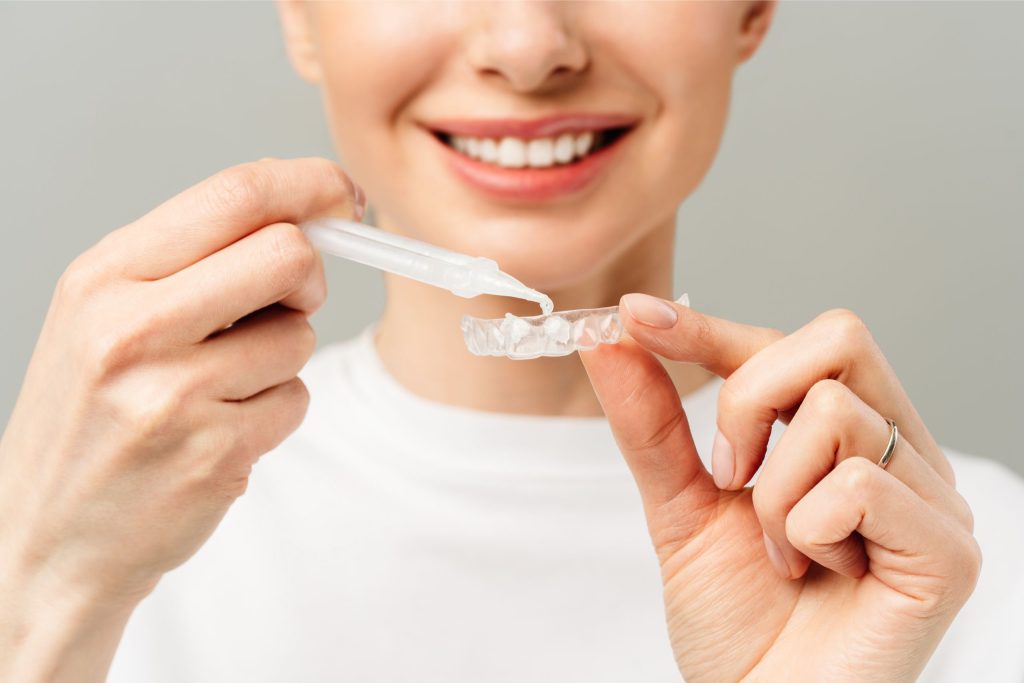
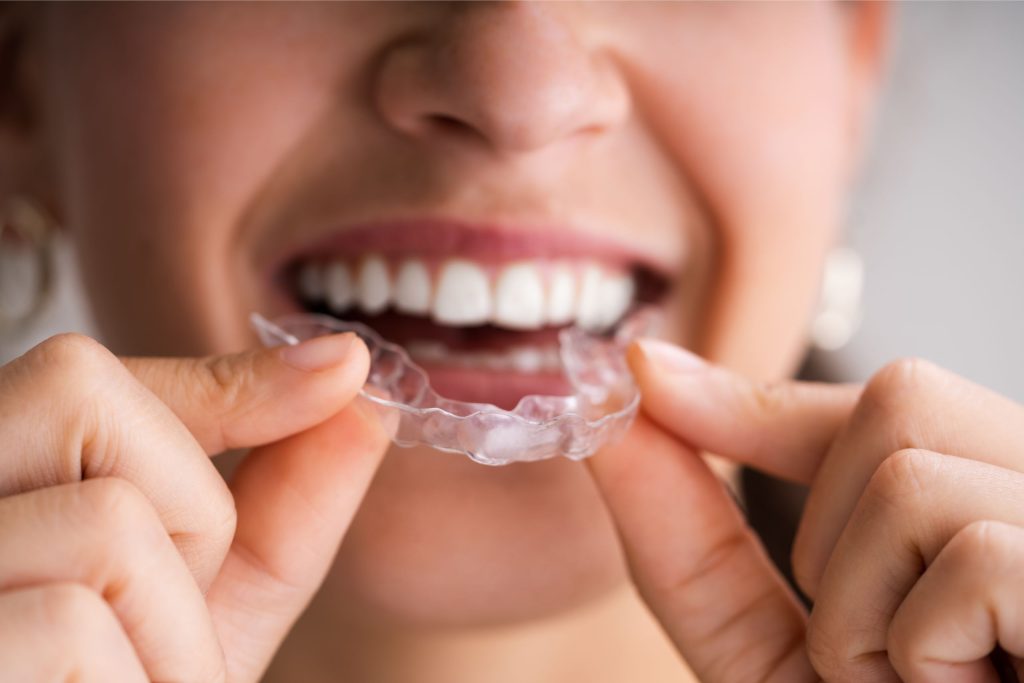
In these cases, protective measures, such as a night guard, significantly increase veneer longevity.
4. Oral hygiene habits
Good oral hygiene prevents gum inflammation, recession, and decay around veneers. Patients who brush twice daily, floss consistently, and attend regular check-ups keep the supporting teeth and gums healthy, which is crucial for long-term veneer success.
5. Lifestyle factors
Certain habits can shorten veneer lifespan, including:
- Nail biting.
- Opening packaging or bottles with teeth.
- Chewing ice or hard foods.
- Smoking, which may affect the appearance of composite veneers.
- High consumption of staining foods and drinks (especially for composite).
Avoiding these helps maintain the beauty and integrity of veneers.
6. Regular dental check-ups
Professional cleanings and monitoring allow early detection of small chips, microleakage, gum changes, or wear patterns.
Timely intervention helps prevent minor issues from becoming major problems.
Signs that veneers may need replacement
Over time, veneers may need refreshing or replacing. Common signs include:
- Chipping or cracking.
- Staining around the edges.
- Gum recession exposing veneer margins.
- Loss of shine or surface wear.
- Changes in bite or tooth position.
Aesthetic concerns, such as wanting a brighter shade, can also lead patients to consider updating their veneers.
How to make your veneers last as long as possible
To maximise the lifespan of your veneers, I recommend:
- Brushing twice a day with a soft toothbrush.
- Flossing daily.
- Wearing a night guard if you grind your teeth.
- Avoiding hard foods or using your teeth as tools.
- Attending regular dental check-ups.
- Choosing porcelain when long-term durability is a priority.
With proper care, veneers can stay beautiful and functional for many years, often well beyond the typical lifespan.
Conclusion
Dental veneers can provide a long-lasting, natural, and transformative enhancement to your smile. Their durability depends on several factors: the material chosen, clinical technique, bite stability, oral hygiene, and daily habits.
At my practice, I focus on personalised planning, minimally invasive preparation, and advanced adhesive protocols to ensure that veneers look beautiful and remain strong for as long as possible.
With the right care and professional guidance, your veneers can be a reliable investment in both confidence and oral health.