
Orthodontics has evolved significantly in recent years, offering patients new ways to achieve a healthy, aligned smile with greater comfort, discretion, and efficiency. Among the most transformative innovations is Invisalign, a system of clear, removable aligners that has redefined the orthodontic experience for both patients and professionals.
As a clinician, I have witnessed how this technology has not only changed the appearance of orthodontic treatments but also improved the way we plan, execute, and monitor every stage of tooth movement. In this article, I will explain how Invisalign has reshaped modern orthodontics and why it has become one of the most sought-after solutions for adults and teens alike.
A revolution in orthodontic treatment
Traditional orthodontics, based on fixed metal braces, has been highly effective for decades, but it often comes with aesthetic and practical limitations. The arrival of Invisalign brought a shift toward a more patient-centred approach, where treatment adapts to daily life instead of the other way around.
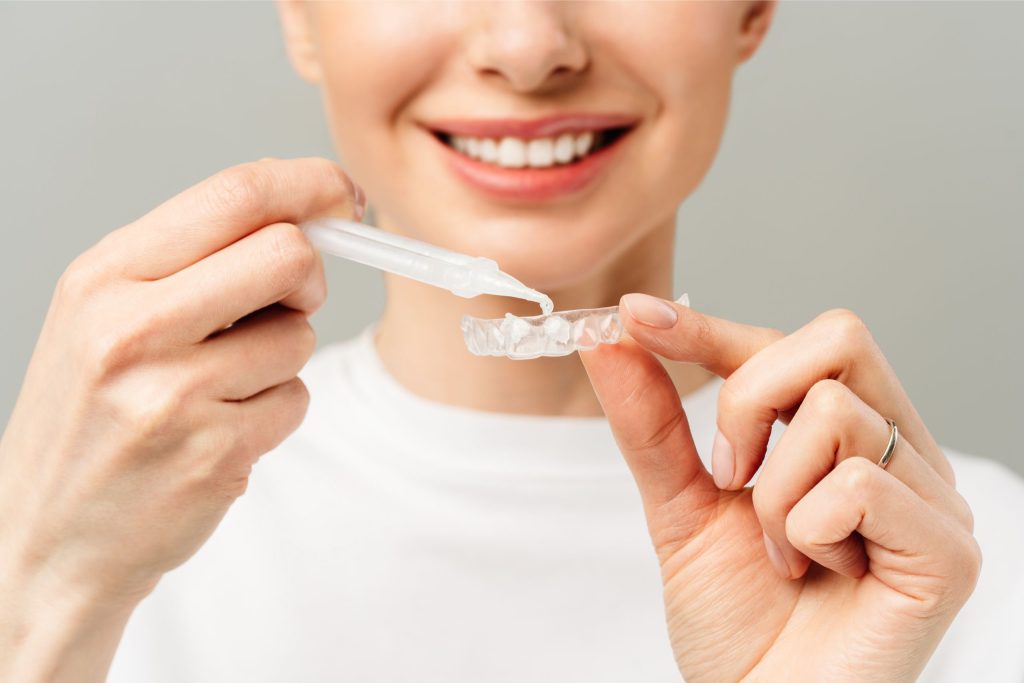
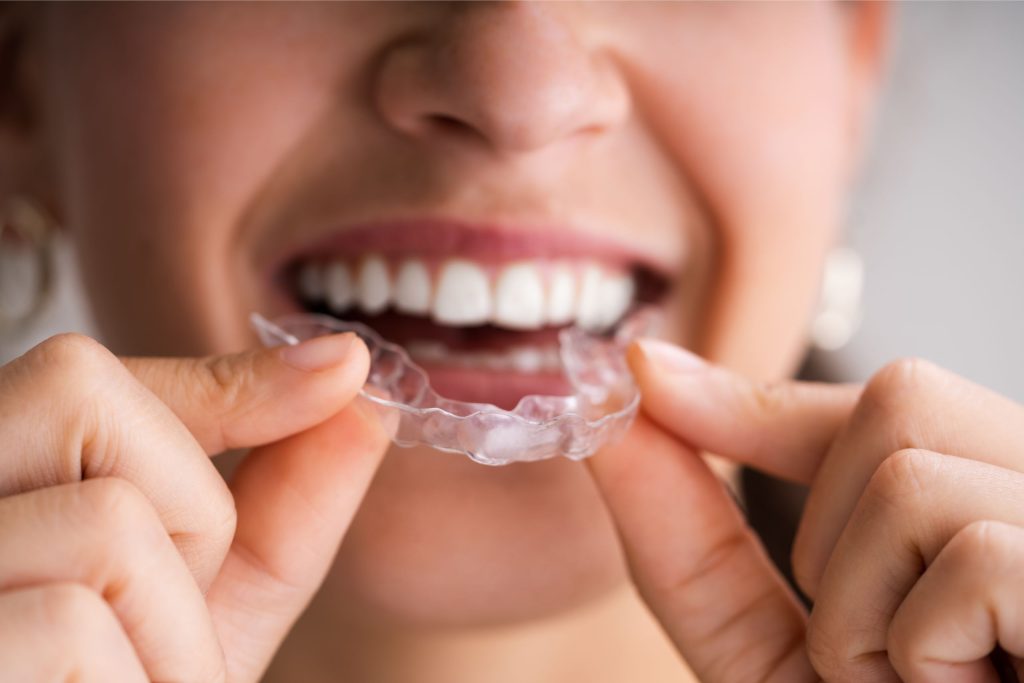
The system uses a series of custom-made, transparent aligners that gradually move teeth into the desired position. Each aligner is worn for about one to two weeks before progressing to the next in the sequence. The aligners are virtually invisible and can be removed for eating, brushing, or special occasions, giving patients a level of freedom that fixed braces cannot offer.
Precision powered by digital technology
One of the greatest advantages of Invisalign lies in its digital planning process. Using 3D scans, advanced imaging, and software such as ClinCheck, orthodontists can design a precise treatment plan and simulate the expected outcome even before the first aligner is made.
This digital workflow allows for:
- Exceptional accuracy in toothmovement prediction.
- Personalised planning, tailored to the patient’s anatomy and goals.
- Enhanced communication, enabling patients to visualise their smile transformation in advance.
For clinicians, this level of precision improves control, predictability, and efficiency, reducing chair time and the need for frequent adjustments.
Comfort and convenience for modern lifestyles
One of Invisalign’s main appeals is the comfort it provides. The aligners are made of a smooth, biocompatible material that reduces irritation to the gums and cheeks. Since there are no brackets or wires, most patients experience less discomfort during treatment.
Because the aligners are removable, oral hygiene is easier to maintain, and there are no dietary restrictions. Patients can continue to eat their favourite foods, brush and floss normally, and integrate treatment seamlessly into their routine. This convenience has made Invisalign especially popular among adults who seek a discreet, professional appearance during orthodontic correction.
Broad applications and clinical effectiveness
Initially, Invisalign was seen as suitable only for mild cases, but continuous innovation in materials, attachments, and biomechanics has expanded its capabilities dramatically. Today, it can successfully treat:
- Crowding and spacing issues.
- Crossbites, overbites, and underbites.
- Open bites and deep bites.
- Relapse cases after previous orthodontic treatment.
In experienced hands, Invisalign can achieve results comparable to traditional braces, often with greater precision and comfort.
The patient experience: transparency and trust
Beyond aesthetics and convenience, Invisalign has changed the relationship between patient and clinician. The digital nature of the treatment allows for clear communication, progress tracking, and transparency throughout the process. Patients feel more involved and motivated because they can see the evolution of their smile at every stage.
At my practice, I prioritise education and partnership, explaining each step and ensuring that patients fully understand the process. This collaboration leads to higher satisfaction and better adherence, which are essential for optimal results.
A glimpse into the future
The evolution of Invisalign continues, with artificial intelligence and 3D printing now playing key roles in refining aligner design and treatment prediction. The future of orthodontics will likely be even more personalised, precise, and patient-friendly, with technology allowing for faster results and even greater comfort.
Conclusion
Invisalign has changed modern orthodontics by combining science, technology, and patient-centred care. It represents a shift from traditional mechanical approaches to a digital, precise, and aesthetic solution that fits the pace of contemporary life.
- For patients, it means confidence, flexibility, and comfort.
- For professionals, it means accuracy, innovation, and improved outcomes.
At my practice, I have seen how Invisalign transforms not only smiles but also lives, restoring confidence, function, and balance in a way that feels natural and empowering.
Orthodontics today is no longer just about straight teeth — it’s about creating harmony between health, beauty, and well-being.