
Picture this scene: After a long week at work, you visit your favorite café to enjoy that one refreshing ice cream you’ve been craving for so long. You anticipate a delightful treat, yet, instead of sweetness, the first bite brings a sharp, painful, sudden sensation. The discomfort forces a cautious change in how you eat, turning an enjoyable moment into a source of hesitation.
This experience defines Tooth Sensitivity. It remains a frequent concern for many of my patients and typically occurs when the protective layers of your teeth experience wear, leaving the inner nerves vulnerable to temperature changes. Understanding the root cause of this sensation represents the first step toward reclaiming your comfort and enjoying your favorite treats with ease.
What causes this sensation?
Tooth sensitivity is primarily characterized by a sudden flash of pain when teeth come into contact with foods or beverages that are either too hot or too cold. This happens because the inner layer of the tooth, called dentin, becomes exposed.
Dentin contains thousands of microscopic tubules that lead directly to the tooth’s dental pulp, where the nerves reside. When the protective enamel thins or the gum line recedes, these tubules allow external stimuli (like cold ice cream or hot coffee) to reach the nerve instantly. Various factors contribute to this exposure, including aggressive brushing habits, acidic diets, or even teeth grinding (bruxism).
The possible solution? Professional Fluoride Applications.
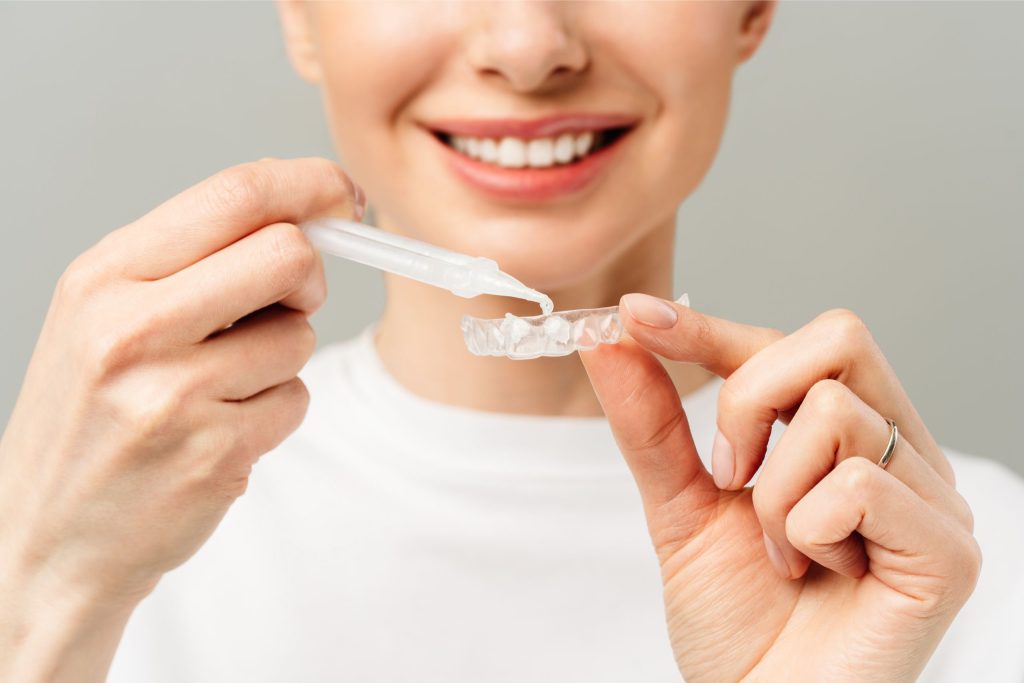
For many patients, the first step towards relief involves strengthening the tooth enamel through professional fluoride treatments at our dental practice.
- The Benefits: This treatment provides a concentrated boost of minerals that reinforces the tooth structure.
- The Result: It effectively seals the microscopic tubules in the dentin, significantly reducing the transmission of hot and cold sensations to the nerve.
- The Consideration: Regular application during your routine hygiene appointments ensures the highest level of ongoing protection.
Composite Bonding for Exposed Roots
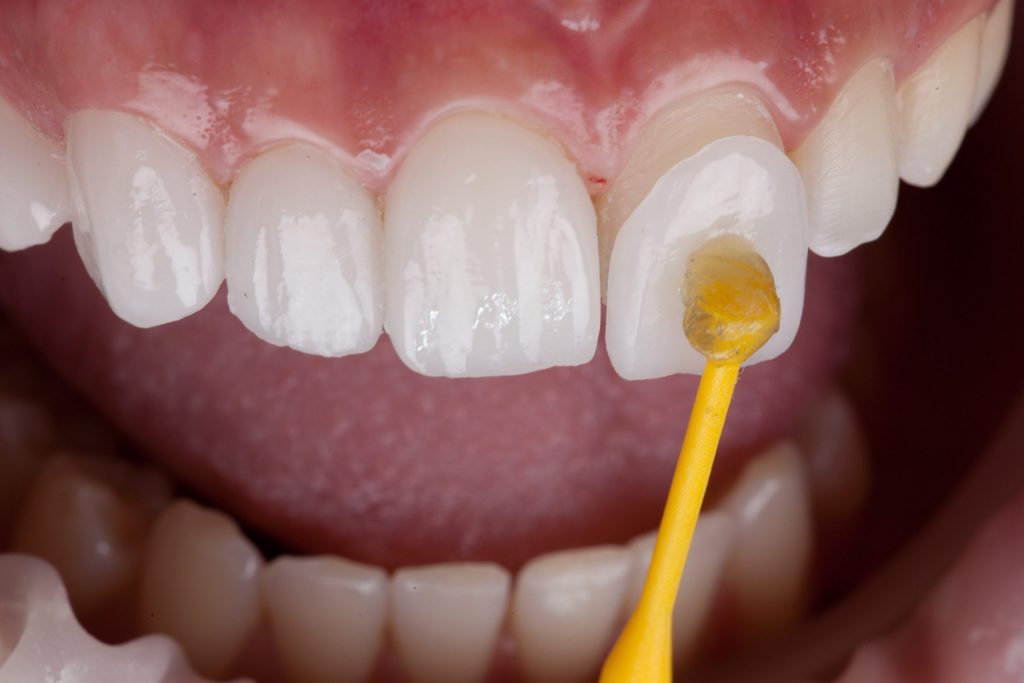
Whe sensitivity arises from localized wear or receding gums, composite bonding offers a highly effective restorative solution.
- The Benefits: We apply a durable, tooth-colored resin to the affected area, creating an immediate artificial shield over the exposed dentin.
- The Result: This procedure eliminates the source of the pain while simultaneously restoring the natural appearance of the tooth.
- The Consideration: Adopting a gentle routine with a soft-bristled toothbrush and light, circular movements helps preserve the integrity of your bonding material for years to come.
Gingival Grafting for Receding Gums
In cases where sensitivity stems from significant gum recession, a gingival graft provides a structural and lasting remedy to cover exposed areas.
- The Benefits: This procedure involves placing a small amount of new tissue over the exposed root surface, reinforcing the natural gum line.
- The Result: It creates a robust, permanent barrier that shields the root from temperature changes and improves the overall health of your gums.
- The Consideration: Adhering to specific post-operative care instructions and allowing for a dedicated healing period ensures the success and stability of the graft.
Root Canal Treatment for Severe Cases
In situations where sensitivity is persistent, lingering, and severe, the underlying cause often involves inflammation of the dental pulp.
- The Benefits: Root canal treatment addresses the source of the discomfort directly by removing the inflamed tissue and sealing the tooth.
- The Result: This procedure saves the natural tooth and provides a permanent solution to extreme temperature sensitivity.
- The Consideration: Placing a crown after the treatment provides necessary strength and prevents future damage to the tooth structure.
Every smile deserves to feel healthy and comfortable. To find the ideal treatment for your tooth sensitivity, please visit our dental practice for a thorough assessment. Schedule your consultation today through our website.